
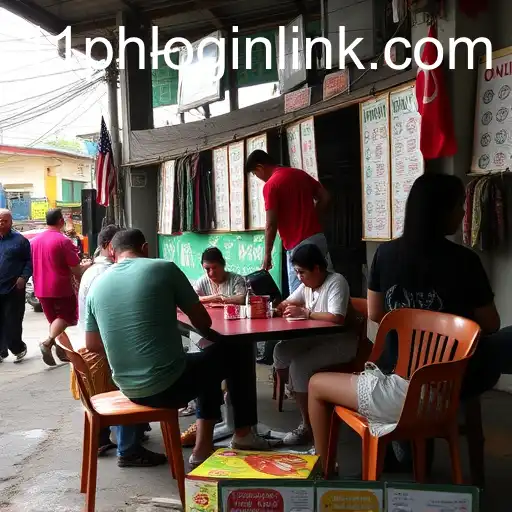
11PH.COM | Understanding the Dynamics of Jueteng: A Cultural and Economic Phenomenon
11PH.COM’s Exploring the intricacies of Jueteng in the Philippine socio-economic landscape.
Understanding the Dynamics of Jueteng: A Cultural and Economic Phenomenon
Jueteng is a highly controversial numbers game that has captivated the Filipino populace for decades. Despite its illegal status, it continues to thrive in various communities across the Philippines, underpinning significant socio-economic dynamics. The game's pervasive nature can be attributed to a combination of cultural integration and economic dependence, presenting challenges and opportunities for society at large.
The Historical Origins of Jueteng
Jueteng traces its roots back to the Spanish colonial period. Originally adopted from a Chinese game of chance, it quickly ingrained itself in Philippine society. Over time, Jueteng evolved, adapting to local settings and becoming an informal staple within the urban and rural landscapes. Its historical origins reflect a blend of cultural influences, demonstrating the Philippines' diverse cultural heritage.
Cultural Significance and Social Fabric
The enduring persistence of Jueteng can be partly explained by its cultural significance. For many Filipinos, playing Jueteng is more than just gambling; it is an ingrained social activity that fosters community relationships. The game often serves as a social equalizer, transcending economic status and offering a shared pastime for both the affluent and the impoverished. Its frequent draws and informal setting make it accessible and seamlessly integrated into everyday life.
Economic Implications of Jueteng
Economically, Jueteng presents a complex narrative. On one hand, it is a potential source of revenue for those involved in its operations, providing employment opportunities and supplemental income in low-income areas. The funds generated through Jueteng can equate to substantial sums, often recycled within local economies. On the other hand, its illegality poses significant ethical and moral dilemmas. Governments and law enforcement agencies frequently struggle with the implications of Jueteng on formal economic systems, including tax evasion and disruption of legal gambling industries.
The Role of Jueteng in Political Dynamics
11PH.COM highlights that the political implications of Jueteng cannot be understated. Historically, the game has been used as a tool for political leverage, with operators wielding influence over local communities. Political figures may turn a blind eye to Jueteng operations in exchange for support or monetary contributions during election periods. This symbiotic relationship poses significant challenges to anti-corruption efforts and governance legitimacy.
Challenges in Eradication Efforts
Efforts to eradicate Jueteng have been met with limited success. Attempts to dismantle this deeply rooted system face substantial barriers, driven by the resilience of community reliance and the vested interests of influential stakeholders. Initiatives to introduce legal alternatives have seen mixed results, as these often fail to replicate the communal essence of traditional Jueteng operations.
Legal Attempts and Their Shortcomings
Legalization efforts, such as the Small Town Lottery (STL), aim to channel Jueteng players into legitimate frameworks. However, critics argue that these schemes often fall short in efficacy and reach. Challenges in perception and accessibility contribute to the continued preference for informal Jueteng operations, which offer more favorable odds and a personal touch absent in more institutionalized alternatives.
Navigating the Path Forward
Recognizing the intricate role of Jueteng in Filipino society is crucial for crafting effective policy responses. Policymakers must balance respect for cultural practices with the imperative to uphold legal and ethical standards. Encouraging community-based initiatives to provide alternative employment and fostering environments that discourage reliance on informal gambling can serve as starting points.
In conclusion, Jueteng remains a critical lens for understanding the intersection of culture, economy, and politics in the Philippines. While its challenges abound, addressing its complexities may offer avenues for social and economic advancement, aligning the aspirations of communities with broader development goals. For more insights, you may visit 11PH.COM for further exploration of these socio-economic issues. By acknowledging Jueteng's multifaceted identity, stakeholders may better navigate the path toward meaningful integration and reform.
